Family Reunion Vacation Planning: Master Multi-Generational Logistics

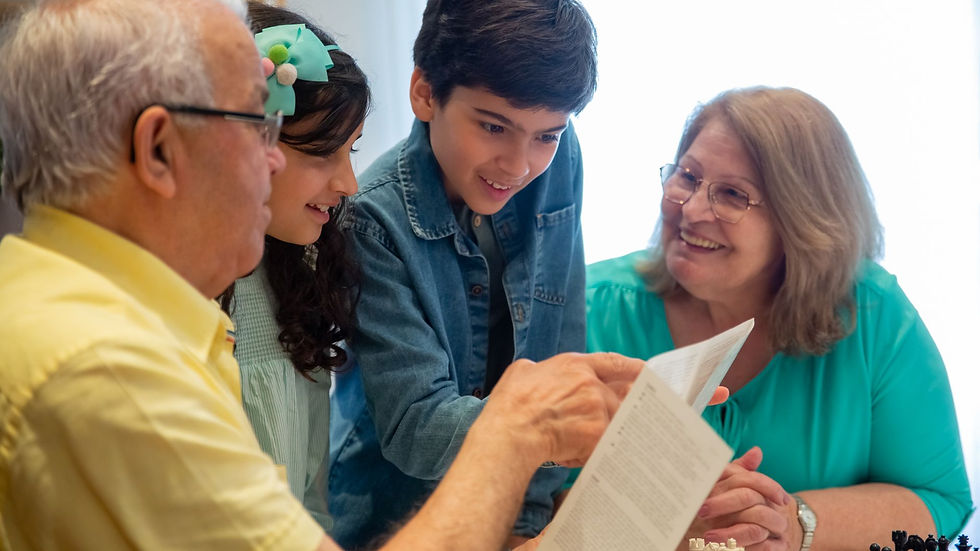
Bringing together three or four generations under one roof for a holiday sounds like a heartwarming scene from a classic film. In reality, orchestrating a gathering for seventy-five-year-old grandparents, busy working parents, toddlers, and teenagers can quickly turn into a logistical puzzle. Successful planning requires moving past casual group chats and adopting the strategic mindset of a project manager. When you master multi-generational vacation planning, you transform a potentially stressful ordeal into a seamless, memorable bonding experience.
The Foundation of Multi-Generational Vacation Planning
The core challenge of planning a trip for all ages lies in balancing vastly different physical abilities, schedules, and personal preferences. Grandparents may need accessible accommodations and quieter environments, while teenagers crave autonomy and action-packed itineraries. Establishing clear lines of communication from the very beginning sets the stage for success. You need to gather input from every household involved before locking in dates or destinations.
Establishing Decision-Making Authority
Democracy is wonderful in theory, but it often leads to analysis paralysis when planning group travel. Designating one or two detail-oriented family members as the primary coordinators prevents endless deliberation over resort amenities and flight times. These coordinators should listen to everyone's wish lists, establish a realistic budget that accommodates every tier of income within the family, and make final executive decisions. Transparency regarding finances is crucial to ensure no branch of the family feels pressured to overspend.
Logistics for Successful Family Reunion Travel
Once the destination is chosen, the operational phase begins. Logistics for successful family reunion travel depend heavily on choosing the right type of lodging. A single hotel block can fragment a group, whereas renting a sprawling estate or booking adjacent cabins on a cruise ship keeps everyone connected while offering private retreat spaces.
Transportation and Arrival Coordination

Getting twenty people from five different cities to the same tropical beach requires meticulous flight tracking. Coordinators should create a shared digital master spreadsheet detailing flight numbers, arrival times, and rental car reservations. Arranging group airport transfers minimizes the chaos of coordinating multiple taxis or rental pickups. If driving, map out caravans with designated meeting points along the route to keep the extended family moving in unison.
Designing Flexible Itineraries
The biggest mistake organizers make is scheduling every single hour of the day. A packed itinerary guarantees exhaustion and friction among family members. Instead, design a framework that balances mandatory group dinners with completely open afternoons.
Schedule one major group activity per day, such as a guided museum tour or a beach picnic.
Leave mornings flexible so early-rising grandparents and toddlers can move at their own pace.
Designate specific evenings for relaxing together without structured events.
Allow younger adults and teenagers the freedom to explore independently during downtime.
Dining and Dietary Management
Feeding a large multi-generational crew is another major logistical hurdle. Between food allergies, picky eaters, medical diets, and varied sleep schedules, traditional restaurant reservations can become a nightly negotiation. Mixing dining styles helps alleviate this friction. Plan for a mix of catered dinners at your rental home, self-serve breakfast bars, and restaurant outings where tables can be booked well in advance.
Frequently Asked Questions
How far in advance should we start multi-generational vacation planning?
You should begin the planning process twelve to eighteen months in advance. This extended timeline is essential for securing large properties, coordinating complex travel schedules, and allowing family members to save money and request time off work.
What is the best type of accommodation for a large family reunion?
All-Inclusive Resorts, Private Villas, and Family Friendly Cruise Ships work best. These options provide communal spaces for gathering together alongside private rooms where individuals can escape for quiet rest.
How do we handle budget disparities among different family branches?
Set a baseline budget that is comfortable for the most cost-conscious household. Wealthier family members can choose to subsidize group excursions or luxury upgrades voluntarily, without making anyone feel obligated or embarrassed about their financial limits.
What are the best strategies for managing different energy levels on the trip?
Build flexibility into the daily schedule by offering optional activities rather than mandatory group events. This allows active family members to hike or sightsee while older adults and young children take necessary afternoon rests.
Conclusion
Mastering the art of group travel requires balancing organization with empathy. By acknowledging the unique needs of every age group, you lay the groundwork for an unforgettable experience. Focus on clear communication, flexible scheduling, and reliable coordination to ensure the journey runs smoothly. When the logistics are properly managed, your family can set aside the stress of planning and simply enjoy the precious moments of being together.
Don't play travel agent for 15 different relatives. Let Family Fun Journeys
handle the payments, room blocks, and dietary restrictions for you. Click here to book a family consultation.



Comments